
Phenomenon Plural Meaning
Gravity is a natural phenomenon. Phenomenon is the only acceptable singular form of this noun.
Comfortable Furniture Singular And Plural List
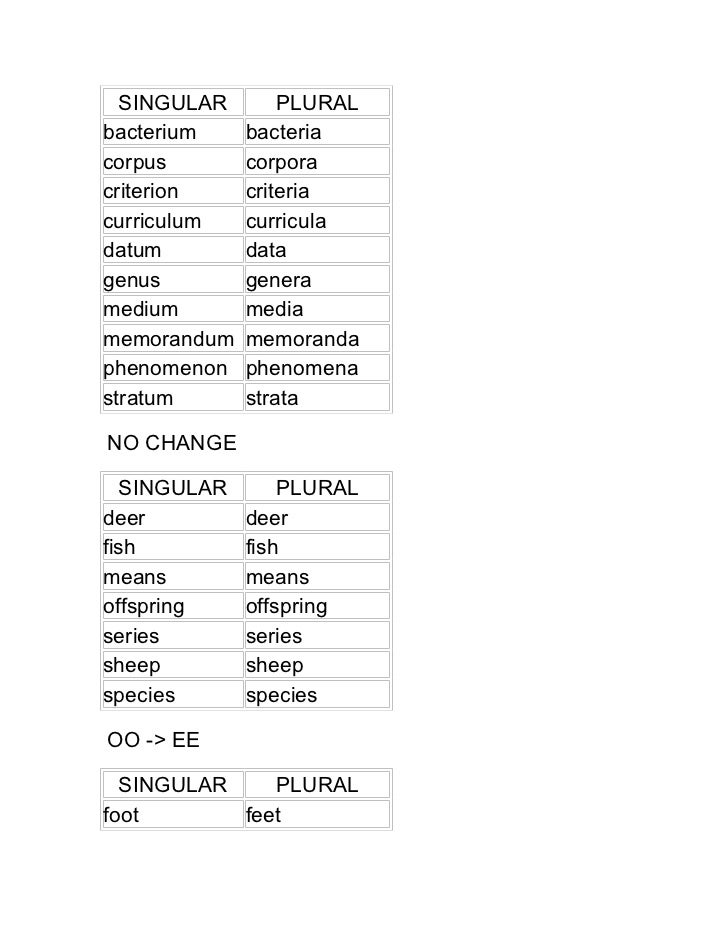
Phenomena is the usual plural.

Phenomenon plural meaning. The adjective phenomenal is most commonly used to mean highly extraordinary or exceptional as in It was a phenomenal display of skill. The plural form of phenomenon is phenomena. Meaning pronunciation translations and examples.
An object or aspect known through the senses rather than by thought or intuition. 1 A fact or situation that is observed to exist or happen especially one whose cause or explanation is in question. Answered 3 years ago Author has 680 answers and 33M answer views.
Phenomena is the standard plural form of phenomenon. I might add that sometimes explanations of physical phenomena involve mathematical facts. What does phenomenon mean.
Phenomena is the plural of phenomenon. In certain instances phenomenons can be used as a. It means more than one unusual or remarkable occurrence or in the context of philosophy observable events.
Phenomenon definition is - something such as an interesting fact or event that can be observed and studied and that typically is unusual or difficult to understand or. Our evidence shows that singular phenomena is primarily a speech form used. 1 A fact or situation that is observed to exist or happen especially one whose cause or explanation is in question.
Phenomenon is a noun that means an observable fact or event in philosophy and more commonly something remarkable or unusual outside the world of philosophy. An unusual significant or unaccountable fact or occurrence. A phenomenon plural phenomena is a general result that has been observed reliably in systematic empirical research.
I might add that sometimes explanations of physical phenomena involve mathematical facts. In essence it is an established answer to a research question. It means more than one unusual or remarkable occurrence or in the context of philosophy observable events.
Noun plural noun phenomena fəˈnämənə fəˈnɑmənə. They were phenomenons in the history of music. An observable fact or event.
Phenomena are often given names by their discoverers or other researchers and. Noun plural noun phenomena fəˈnɒmɪnə. Another word for Opposite of Meaning of Rhymes with Sentences with Find word forms Translate from English Translate to English Words With Friends Scrabble Crossword Codeword Words starting with Words ending with Words containing exactly Words containing letters Pronounce Find.
The difference between phenomenon and phenomena lies in the fact that the word phenomena is the plural of phenomenon. It was left to Newton to provide the mathematical explanation of the phenomena that. A phenomenon plural.
The singular is phenomenon The plural is phenomena Its meaning hasnt changed and you still make it plural like you make Greek words plural. Phenomena has been in occasional use as a singular since the early 18th century as has the plural phenomenas. Or the appearance of an object to the mind as opposed to its existence.
Phenomenon comes to English from Greek through Latin. Phenomenons may also be used as the plural in nonscientific writing when the meaning is extraordinary things occurrences or persons. According to Etymonline in Greek the word meant that which is seen or appears so essentially the same thing it means today.
Phenomena is its plural. Something which appears real to the mind regardless of whether its underlying existence is proved or its nature understood. Otherwise the following definitions of phenomenon have phenomena as the plural.
Phenomenon is singular and refers to one unusual or unprecedented event. The sentences below are examples. Phenomena is plural and refers to multiple instances of an unusual or unprecedented event.
Thing appearing to view. Phenomena is the standard plural form of phenomenon. The term came into its modern philosophical usage through Immanuel Kant who contrasted it with the noumenon which cannot be directly observed.
Plural phenomena is an observable fact or event. An observable fact or event an object or aspect known through the senses rather than by. Phenomenon noun C EXISTING THING C1.
Phenomenon is the only acceptable singular form. Sometimes an event occurring in nature that can be observed with our eyes are referred to as a phenomenon. Phenomena are special events that we can witness with our senses.
The plural of phenomenon is phenomena. What is the meaning of phenomenon in research. Phenomena is an occurrence a circumstance or a fact that is perceptible by the senses.
A temporal or spatiotemporal object of sensory experience as distinguished from a noumenon. Something that exists and can be seen felt tasted etc especially something unusual or interesting. Something that exists and can be seen felt tasted etc especially something unusual or.
It can also be used more.
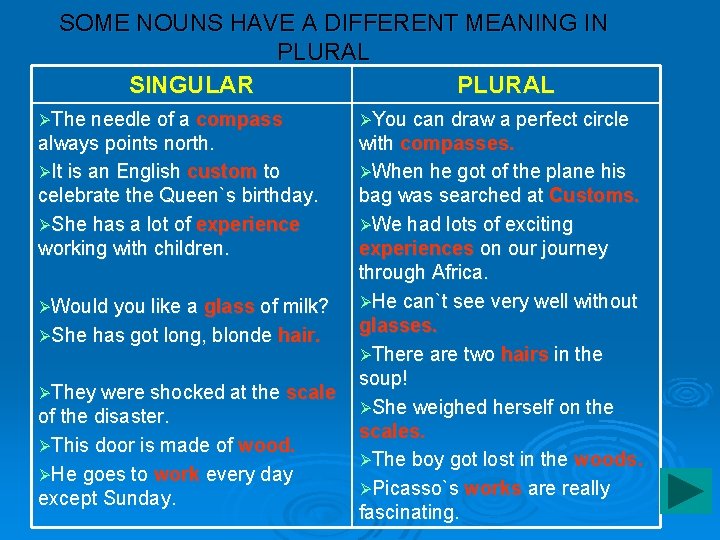
Regular Plurals Most Nouns Form Their Plural Forms

Singular And Plural Nouns English Grammar Iken Ikenedu Ikenapp Youtube

Singular And Plural Nouns Definitions Rules Examples Eslbuzz Learning English

Phenomenon Vs Phenomena What S The Difference Writing Explained

Phenomenon Definition And Meaning Collins English Dictionary

English Nouns Keeping Foreign Plurals Download Table
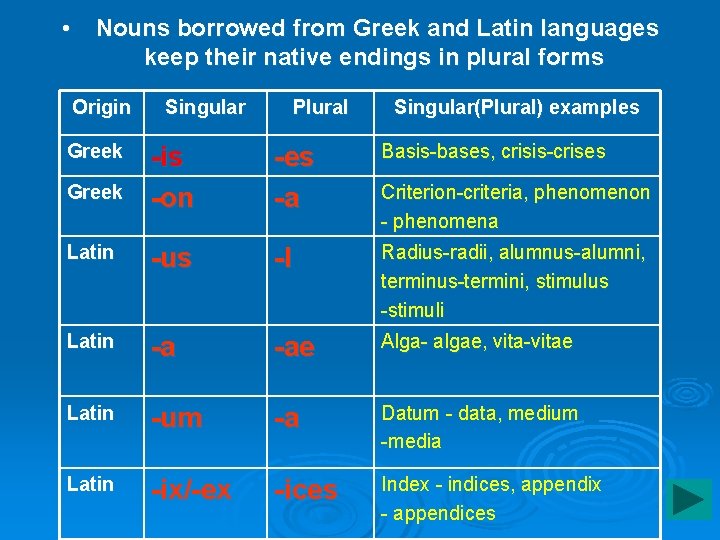
Regular Plurals Most Nouns Form Their Plural Forms
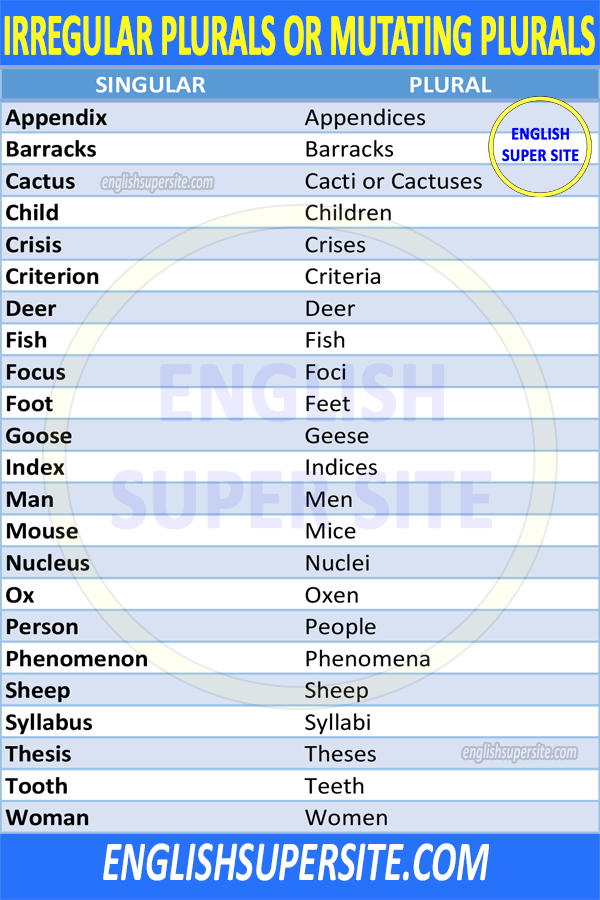
Irregular Plurals Or Mutating Plurals Mutated Plurals English Super Site
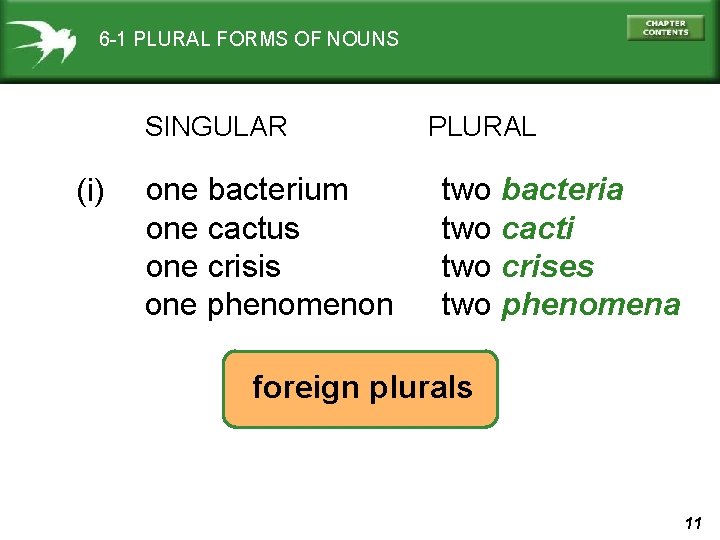
Contents 6 1 Plural Forms Of Nouns 6

Foreign And Irregular Plural Forms

Phenomenon Vs Phenomena What S The Difference Writing Explained
Singular And Plural Number English Grammar
Plural Form Of The Word Crisis Mutabikh


Pin On Hobbies Writing Blogging

Posting Komentar untuk "Phenomenon Plural Meaning"