
R On T Phenomenon Causes
The disease it self has some autoimmune causes and the phenomenon could be due to many causes. Ventricular fibrillation may be caused by R on T stimulation from a temporary pacemaker Contributors.

Ekg Interpretation
You should see a.

R on t phenomenon causes. R-on-T phenomenon is a ventricular extrasystole caused by a ventricular depolarization superimposing on the previous beats repolarization. These are caused by the premature discharge of a ventricular ectopic focus which produces an early and broad QRS complex. This is the electrical activity that causes the contraction of the lower part.
Same as PVCs R on T Phenomenon Rate. Early observations suggested that R-on-T was likely to initiate sustained ventricular tachyarrhythmias. What is the R on T phenomenon.
- Pairs couplets or runs. The R-on-T phenomenon was first described by Smirk in 1949 as R waves interrupting T waves1 2 In 1966 Francois Dessertenne described a specific electrocardiographic form of polymorphic ventricular tachycardia PVT characterized by changing amplitude of the complexes with a characteristic twist around the isoelectric baseline with prolonged QT interval which he termed torsades de pointes. In addition the most dangerous situation is called the R-on-T Phenomenon.
The R-on-T phenomenon describes ventricular depolarization which is superimposed on the T wave of the preceding beat. 1 Although rare this can result in ventricular arrhythmias which can lead to cardiac arrest. Even if they lead there are 14 chances That too in diseased hearts of initiating a V-TachEven if it does it may be a non-sustained VTEven if it is Sustained deaths are rare and you can seek Medical help or.
AAM was consulted in the management of both patients proposed the idea for the article and drafted the manuscript. Opposite direction of qRs A group of three PVCs in a row or more at a rate greater than 100. - ventrilce fires off r-r wave at the end of repolarization end of T-wave RRP and if non-normal impulse heart goes crazy v.
We report a case of a male patient with severe mitral regurgitation scheduled for mitral valve replacement who experienced two ventricular fibrillation episodes related to the R-on-T phenomenon caused by undersensing of the epicardial pacing wire. When the PVC falls on a T wave from the previous contraction ventricular fibrillation and death can occur. During the T wave repolarization heart muscle is very sensitive to outside stimulus thus a strong PVC can send the myocardium into fibrillation.
100 per minute and usually not 220 Rhythm. However undersensing of pacing wires may cause the R-on-T phenomenon which induces ventricular fibrillation. The R-on-T phenomenon was first described by Smirk in 1949 as R waves interrupting T waves12 In 1966 Francois Dessertenne described a specific electrocardiographic form of polymorphic ventricular tachycardia PVT characterized by changing amplitude of the complexes with a characteristic twist around the isoelectric baseline with prolonged QT interval which he termed torsades de pointes.
Farlex Partner Medical Dictionary Farlex 2012. Sinus rhythm with inverted T waves prominent U waves and a long Q-U interval due to severe hypokalaemia K 17 A premature atrial complex beat 9 of the rhythm strip lands on the end of the T wave causing R on T phenomenon and initiating a paroxysm of polymorphic VT. Click to see full answer.
This is the electrical activity that causes the contraction of the lower part. Usually regular P Waves. When a extra beat even in the ventricle causes a condition where the normal pathway is refractory to conduction beacuse of the depolarization the alternaive pathway can take over.
Click here You have 3 more open access pages. Long QT intervals predispose the patient to an R-on-T phenomenon which can initiate a episodes of. Moreover the PVT in the setting of acute MI generally occurs during the hyperacute phase is related to ischemia ischemic PVT and is not associated with QT prolongation.
In patients with pacemakers R-on-T phenomenon can have multiple causes including pacemaker undersensing. R on T syndrome FREE subscriptions for doctors and students. So the answer to your question which seems like you have a pretty good grasp of is the latter.
2 however the T-on-P phenomenon is rarely reported in literature. The R-on-T phenomenon is the superimposition of an ectopic beat on the T wave of a preceding beat. In a nutshell benign PVCs rarely lead to R-on-T phenomenon.
Occur in healthy hearts as well as those with heart disease. R on T phenomenon when a PVC has occurred during the vulnerable period of ventricular repolarization on or near the peak of the T wave Stimulation of the ventricle at this time may precipitate repetitive ventricular contractions resulting in V-tach or V-fib. Fib - r-wave of PVC falls on t-wave of preceding beat.
1 Although rare this can result in ventricular arrhythmias which can lead to cardiac arrest. It is triggered by ventricular extrasystoles with very short coupling interval the R-on-T phenomenon and is not pause-dependent. R-on-T indicates a need to.
Wide 012 sec bizarre STT wave. Engel TR Meister SG Frankl WS. Early observations suggested that R-on-T was likely to initiate sustained ventricular tachyarrhythmias.
Early observations suggested that R-on-T was likely to initiate sustained ventricular tachyarrhythmias. 1 The classic R-on-T phenomenon is a well-known entity. Cardiology A premature ventricular depolarization so early in the cardiac cycle that it falls on the apex of the preceding T wave possibly presaging ventricular tachycardia or fibrillation.
- R on T phenomeenon. What are the dangers of PVCs. It is disease and also a phenomenon.
P waves or if present not associated with qRs qRs. Shap of the QRS. So r is the top of the up and down narrow shape and the t follows this.
Because of the preceding long QU interval this can be diagnosed as TdP. The R-on-T phenomenon is the superimposition of an ectopic beat on the T wave of a preceding beat. Implantable cardioverterdefibrillator ICD implantation beta-blocker therapy and left cardiac sympathetic denervation are recommended for the prevention of sudden death in this patient population.
Ventricular fibrillation in an 83-year-old man after coronary angiography was caused by the R-on-T phenomenon due to a sensing failure on the part of a temporary pacemaker with ventricular. - Greater than 6min. More recent experimental and clinical observations suggest that R-on-T is not a critical determinant of primary ventricular fibrillation in acute.
R-on-T phenomenon is a ventricular extrasystole caused by a ventricular depolarization superimposing on the previous beats repolarization.

Delta Wave Ecg Google Search Pr Interval Paramedic School Pa School

Pin By Breanne Brislenn Greenberg On Ems Study Material Icu Nursing Nursing Notes Cardiac Nursing

Ecg Rhythms Charex Ecg Rhythms Medical University Rhythms
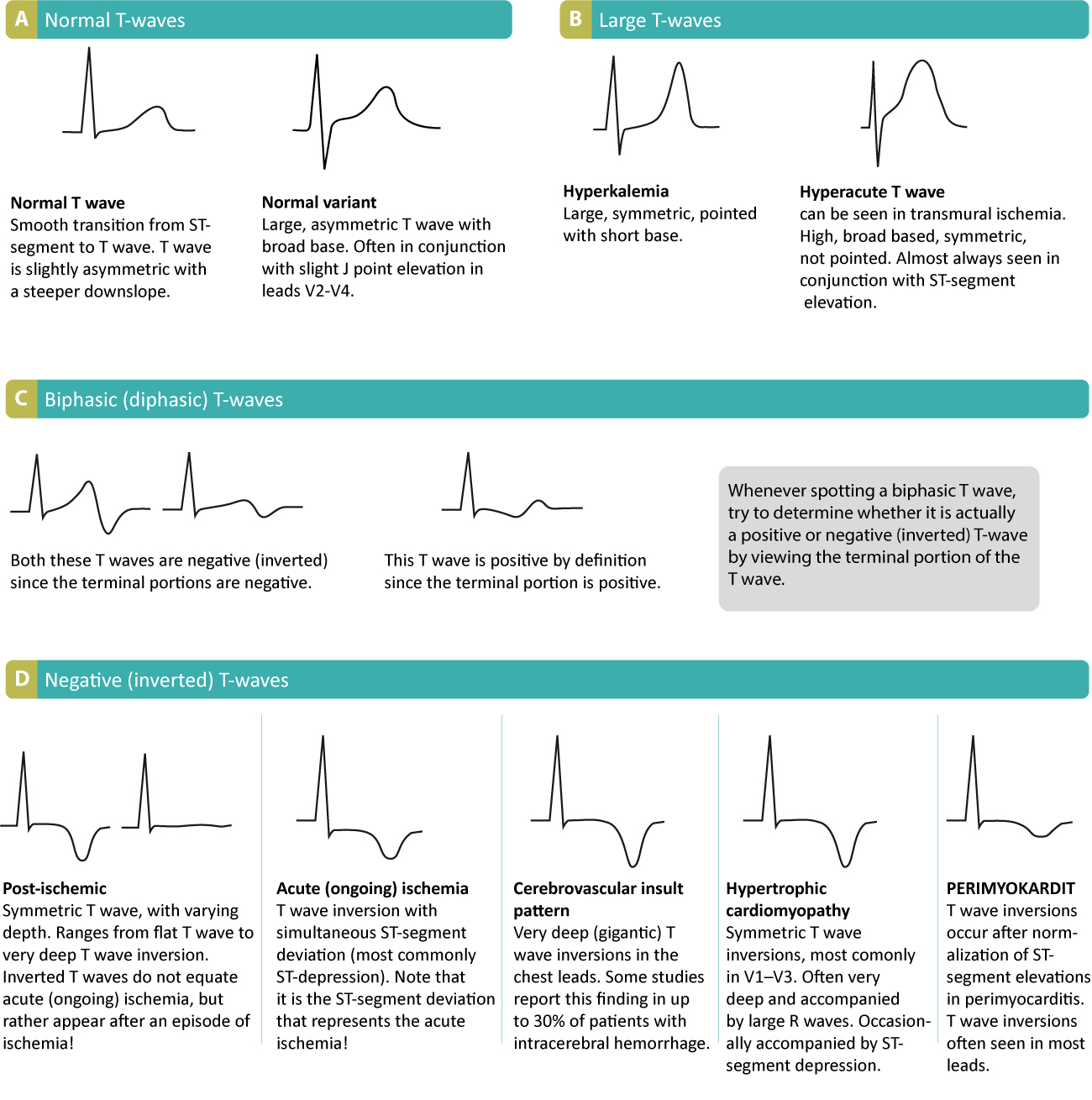
T Waves In Ischemia Hyperacute Inverted Negative Wellen S Sign De Winter S Sign Ecg Echo
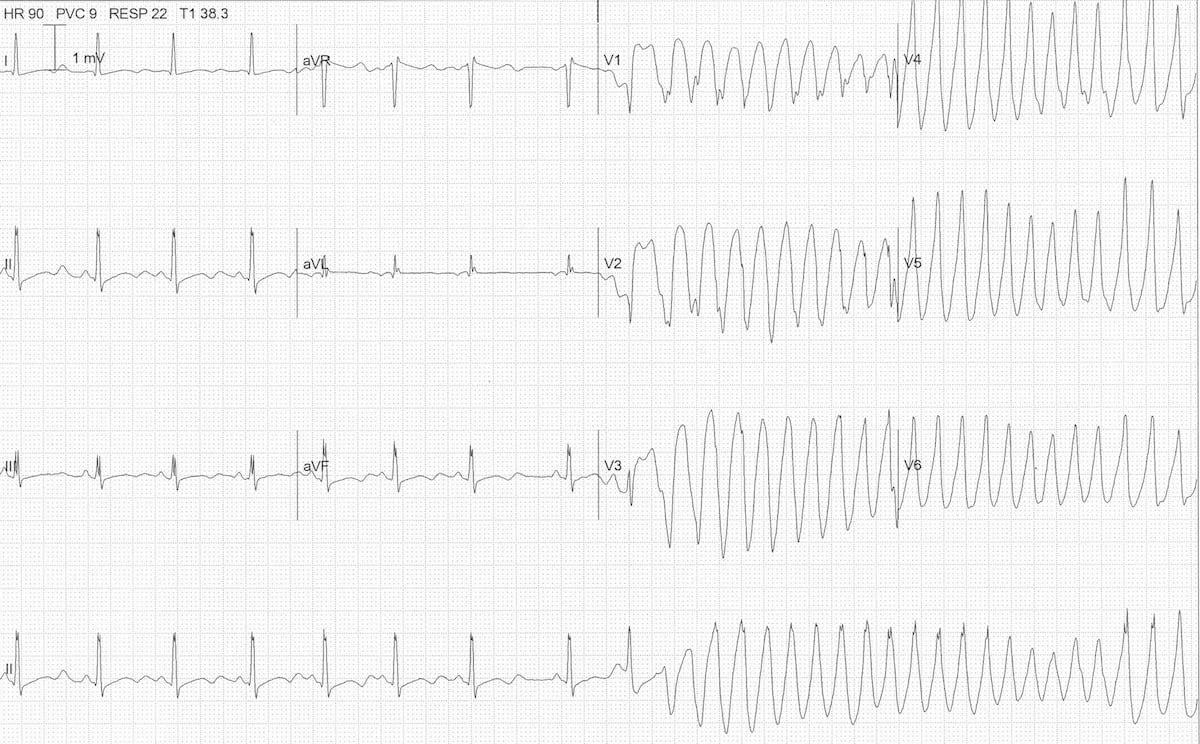
Polymorphic Vt And Torsades De Pointes Tdp Litfl
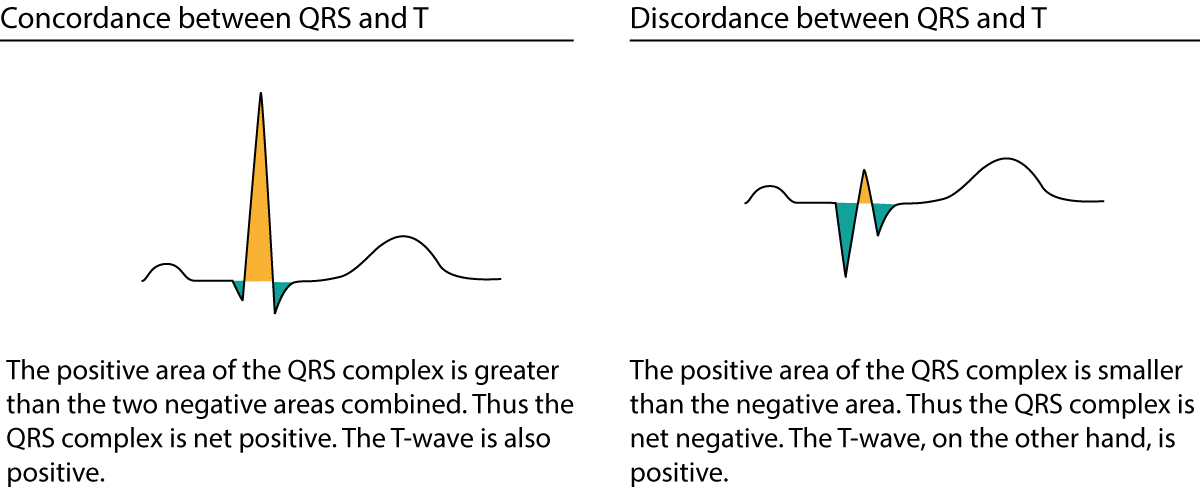
T Waves In Ischemia Hyperacute Inverted Negative Wellen S Sign De Winter S Sign Ecg Echo

Pin On Nurse Practitioner Fnp Bc

Pin By Saving American Hearts Inc On Saving American Hearts Inc Aha Acls Bls Pals Nrp Phtls Cpr First Aid Acls Nursing Notes Acls Study

Diet For Patients With Hypokalemic Periodic Paralysis Periodic Paralysis Intl How To Plan Diet Plan National Institutes Of Health
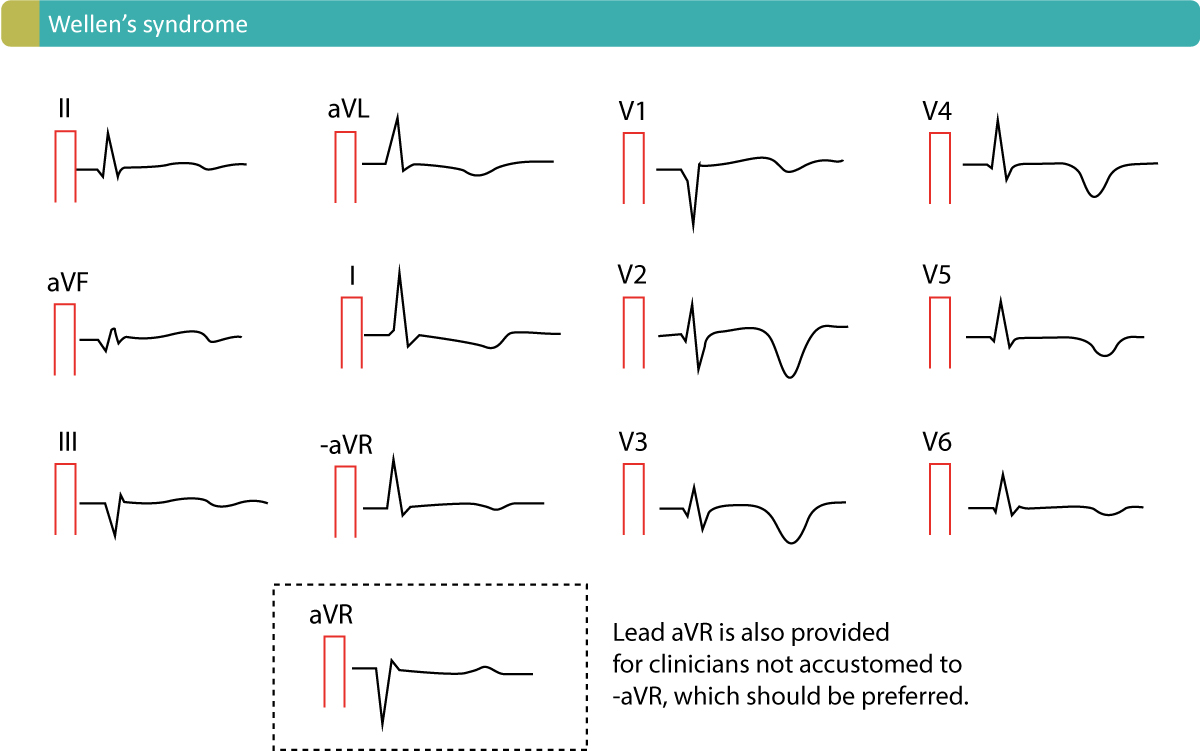
T Waves In Ischemia Hyperacute Inverted Negative Wellen S Sign De Winter S Sign Ecg Echo

Ekg Interpretation

Ecg Learning Center An Introduction To Clinical Electrocardiography

Ekg Interpretation

Posting Komentar untuk "R On T Phenomenon Causes"